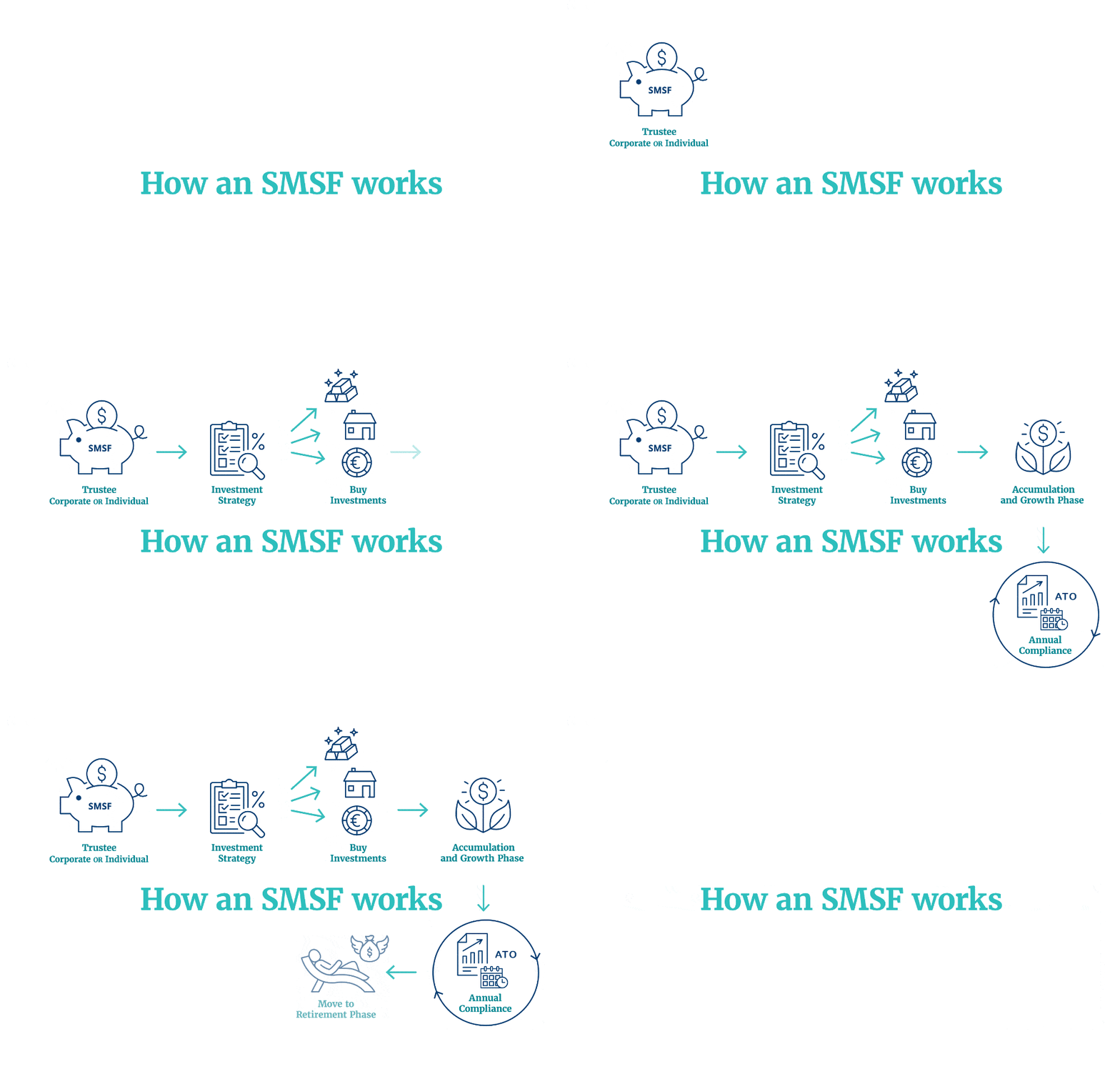
Getting money into your SMSF
If you haven’t already, now is the time to make sure all the SMSF’s members have directed their employer contributions into your new SMSF unless they’ve decided not to do that.
Types of contributions
Your SMSF can receive:
The rules vary depending on the type of contribution so it’s worth checking before you do something new. Learn everything you need to know about super contributions.
How to make a contribution
Some contributions require important paperwork at the time or before you make them. If you’re ever making a type of contribution you haven’t made before, check with your accountant, administrator or adviser first.
Any member of the fund can also transfer their super from other super funds into the SMSF whenever they like (called a “rollover”). It doesn’t all have to happen when the fund is first set up. Read our guide for some handy tips on how to make this happen and some important checks to watch out for.
Note that only fund members are allowed to have contributions or rollovers added to the SMSF. If there’s someone you want to be part of your SMSF who didn’t join right at the start, they can join later. Just watch out for some important rules:
-
SMSFs can’t have any more than 6 members;
-
a new member has to formally join the SMSF (there are forms to fill in, documents to sign etc);
-
anyone who joins will almost always have to become a trustee (or director of the corporate trustee) as well. This means they have the same responsibilities, and often the same power, as you do even if they don’t actually have much money in the fund; and
-
the ATO will need to be told there’s a new member.
You should contact your SMSF accountant or administrator to set this up before the new member (or their employer) starts putting money into the SMSF.
Managing investments
An SMSF gives you direct control over your retirement savings and you can invest in a wide range of different things – we’ve described some of the asset classes available to an SMSF here.
But with that control comes significant responsibility. You’ll need to monitor the performance of your SMSF’s investments and make changes when required. Not everyone does this on their own. There are several ways in which people might get help with SMSF investments:
Professional Advice
Many SMSF trustees have financial advisers to help develop investment strategies and select investments. Others might have a stockbroker who helps with listed shares but they research other investment choices themselves. In both cases, the trustees are still ultimately in charge and have to make the final decisions but they have a lot of help along the way.
Investment Platforms
Some trustees use 'investment platforms'. These give access to different types of investments (listed shares, managed funds, term deposits, exchange traded funds etc) all in one 'place'. It can be very convenient for things like reporting as most investment platforms can provide reporting about performance of all investments together and consolidated reporting of all the tax information needed by your SMSF’s tax agent. They also make it easy to move between different investments as the platform will arrange the buys and sells for you.
Managed investment products
Many SMSFs hold investments like ETFs or managed funds, particularly when they first start. Those investments might then hold a range of different assets and asset classes. The trustee chooses (say) the ETF but then the trustee of the ETF chooses the underlying shares, bonds, property etc.
If these options don’t sound very 'self managed', don’t forget that SMSFs are really about taking control of your super savings rather than doing everything yourself at all times.
A few important things to remember before you start investing:
-
Be sure to familiarise yourself with one of the main fundamental requirements of superannuation and SMSFs, the 'sole purpose test'.
-
Keep SMSF money and assets entirely separate from your personal money and assets. Make sure you evidence that by owning your SMSF assets in the right legal name. Download our Guide.
-
Make sure the investments line up with your documented investment strategy.
-
Keep records of the transactions you make and decisions. Note that the amount of record keeping you do yourself will depend on how much information goes directly to your accountant or administrator each year.
Insurance
You may have kept your old super fund account open so that you can keep any insurance you have in super running. There’s nothing to stop you doing that indefinitely – just make sure you understand any rules you need to follow to keep the insurance in place. For example, does your old super fund require you to add to your account every now and again? Keep a minimum balance?
You can also set up insurance in your SMSF.
As with everything, there are pros and cons to having your insurance in super vs having personal insurance outside super. And there are also pros and cons to having your super insurance in your SMSF vs keeping it in your old fund. Weigh up your choices carefully before you do anything that would jeopardise any insurance cover you already have. Learn more about SMSF insurance.
Year-end compliance
There’s work to do at the end of each financial year (including the very first year) for your SMSF. Mostly this will be done by your SMSF accountant or administrator. But make sure you check with them so you know what they will do and what lies with you.
In particular, make sure you know what documents and information they need from you each year.
For example, some accountants will need you to provide copies of all bank statements, investment accounts, dividend statements etc for all your investments. Typically a specialist SMSF administrator will make sure this type of information comes directly to them via a data feed so you don’t need to gather it together yourself.
But even a specialist administrator will need some information from you. For example, if you make ad hoc payments from the SMSF (such as property expenses, insurance premiums etc) they will need to know what these were for and will need receipts or policy statements.
All this information is needed so your accountant or administrator can manage:
-
Your SMSF’s financial statements. These are the financial accounts prepared each year for your SMSF that show how much it’s received in income or spent on its expenses (called the “Operating Statement”) and how much it has in total (called the “Statement of Financial Position” or people sometimes refer to it as a Balance Sheet). The financial statements also show other information such as how the fund is divided up between the various members. Even if the SMSF only has one member, these are still required every year.
-
Your SMSF’s annual tax return. An SMSF must lodge a special return (which includes the fund’s tax return) every year. When it’s due depends on whether you lodge it yourself (generally 31 October) or whether you have a tax agent who does it for you. Even if you have a tax agent, the due date will depend on whether it’s your SMSF’s first year (in which case it will generally be 28 February) or subsequent years (in which case it’s 15 May for most SMSFs). The due date is brought forward if you didn’t lodge on time last year.
-
Independent audit. All SMSFs are audited every year by an independent, ASIC-registered auditor. The auditor will be checking that your fund complied with the super rules as well as making sure your financial statements are right.
Learn more about EOFY requirements.
Making changes
Inevitably you’ll want to change things about your SMSF over time. You might want to:
-
Add new members or trustees,
-
Remove a member or trustee,
-
Start taking money out of super because you’re retired,
-
Make contributions you’ve never made before,
-
Deal with the death of a member and more.
If and when you want to do some of these things talk to your adviser, accountant or administrator. They will be able to guide you through the legal requirements, help you understand your responsibilities and make sure you take advantage of all the opportunities you have now you’ve set up your SMSF. Learn about when things change in an SMSF.